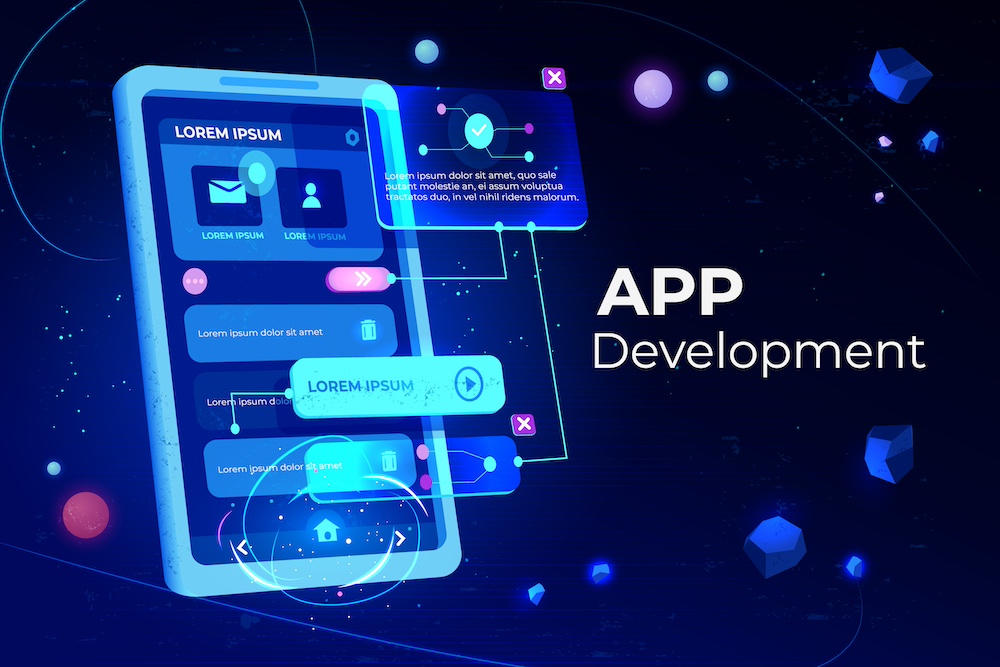
The Development of Mobile App is entering a defining era as 2026 approaches rapidly. Mobile apps are no longer simple digital tools. Instead, they have become intelligent business platforms driving growth, engagement, and automation.
Earlier, mobile applications followed predictable patterns. However, expectations have changed dramatically. Users now demand speed, personalization, security, and seamless experiences across devices. Therefore, the Development of Mobile App must evolve with smarter strategies and modern technologies.
Moreover, businesses are shifting focus from features to outcomes. They want applications that solve problems faster and scale effortlessly. Consequently, the Development of Mobile App lifecycle now blends innovation with reliability.
This article explores how trends, tools, and technologies are shaping mobile development in 2026.
Why Mobile App Development Looks Different in 2026
First, digital maturity has increased across industries. Second, users expect consumer-grade experiences even in enterprise applications. Third, emerging technologies are becoming mainstream.
As a result, the Development of A Mobile Application is no longer a linear process. Instead, it operates as a continuous loop of learning, improvement, and optimization.
Furthermore, businesses want faster time-to-market. At the same time, they expect higher quality and security. Therefore, teams must balance speed with stability.
This shift demands new thinking, modern tools, and flexible architectures.
Key Trends Shaping Mobile Apps in 2026
AI-First Mobile Experiences
Artificial intelligence is becoming native to mobile apps. AI no longer feels optional. Instead, it acts as a core capability.
AI-driven personalization now adapts screens in real time. Recommendation engines feel more intuitive and contextual. Additionally, voice and chat interfaces are becoming more natural.
As a result, the Development of A Mobile Application increasingly starts with AI use cases.
Rise of Low-Code and No-Code Platforms
Low-code tools are empowering faster development cycles. They reduce dependency on large engineering teams. Consequently, businesses launch apps faster.
However, low-code platforms are not replacing developers. Instead, they amplify productivity and innovation.
Therefore, Development of Mobile App teams now combine low-code tools with custom engineering for flexibility.
Super Apps and Modular Architecture
Super apps continue gaining traction across regions. These apps combine multiple services within one ecosystem.
However, complexity increases with scale. Hence, modular architecture becomes essential.
The Development of Mobile App now favors microservices and independent modules. This approach improves maintainability and faster updates.
Development of Mobile App: How Architecture Is Evolving
Mobile app architecture is changing to support scalability and performance.
Cloud-Native Mobile Applications
Cloud-native design has become standard practice. Apps now rely on cloud services for backend logic.
This approach enables rapid scaling and global availability. Additionally, it reduces infrastructure overhead.
As a result, Development of Mobile App strategies increasingly align with cloud-first principles.
API-First Development
APIs now drive mobile ecosystems. They connect apps with services, devices, and platforms.
Moreover, API-first design improves flexibility and future integration.
Thus, the Development of A Mobile Application benefits from reusable, scalable components.
Offline-First Design
Connectivity remains inconsistent in many regions. Therefore, offline-first design is critical.
Apps must function without constant internet access. Later, they sync data seamlessly.
This approach improves user trust and engagement.
Development of Mobile App: Tools That Will Dominate in 2026
Cross-Platform Frameworks Continue to Mature
Frameworks like Flutter and React Native are evolving rapidly. They deliver near-native performance now.
Additionally, shared codebases reduce development effort significantly.
Therefore, Development of Mobile App teams increasingly prefer cross-platform approaches.
AI-Assisted Development Tools
AI copilots assist developers with code suggestions and testing. They also help identify bugs early.
Consequently, productivity improves while errors reduce.
The Development of A Mobile Application now includes AI as a development partner.
Automated Testing and CI/CD Pipelines
Automation dominates testing and deployment workflows. Manual testing becomes limited to experience validation.
Continuous integration ensures faster and safer releases.
Thus, Development of Mobile App delivery cycles become shorter and more reliable.
Security and Privacy Take Center Stage
Security concerns continue rising globally. Regulations are also becoming stricter.
Therefore, security-by-design is essential in mobile development.
Apps must implement encryption, secure authentication, and compliance controls from the start.
The Development of A Mobile Application now includes privacy assessments at every stage.
UX and Design Trends in 2026
Hyper-Personalized Interfaces
User interfaces now adapt based on behavior and context. Static screens feel outdated.
AI-driven UX improves engagement and retention.
Hence, Development of Mobile App teams prioritize experience over aesthetics alone.
Minimalist and Purpose-Driven Design
Users prefer clarity and simplicity. Overloaded interfaces reduce usability.
Minimalist design improves focus and accessibility.
Therefore, mobile design shifts toward purpose-driven interactions.
Performance and Speed Become Non-Negotiable
Users abandon slow apps quickly. Performance directly impacts revenue and trust.
Hence, optimization becomes a continuous practice.
Caching, edge computing, and lightweight frameworks improve speed.
The Development of Mobile App now measures success through performance metrics.
Role of DevOps in Mobile Development
DevOps practices are no longer optional. They ensure stability and faster releases.
Mobile DevOps integrates testing, monitoring, and deployment.
As a result, Development of A Mobile Application becomes more predictable and scalable.
How Businesses Approach Mobile App Strategy in 2026
Businesses now treat mobile apps as long-term assets. They focus on scalability and adaptability.
Moreover, apps integrate with IoT, wearables, and enterprise systems.
Therefore, the Development of Mobile App aligns closely with business strategy.
Challenges in Mobile App Development
Despite progress, challenges remain.
- Rapid technology changes increase learning curves
- Security threats continue evolving
- User expectations rise constantly
- Platform fragmentation complicates testing
However, proactive planning reduces these risks significantly.
Future Outlook for Mobile App Development
The future of mobile development looks adaptive and intelligent. Apps will learn, evolve, and self-optimize.
AI-driven insights will guide feature prioritization. Automation will reduce manual effort further.
The Development of Mobile App will focus on resilience, intelligence, and user trust.
Conclusion
The Development of Mobile App in 2026 reflects a powerful blend of innovation and discipline. Trends like AI, low-code platforms, and cloud-native architecture redefine how apps are built.
Meanwhile, tools and technologies continue simplifying complexity. At the same time, human-centric design remains critical.
The Development of A Mobile Application is no longer about just building software. Instead, it is about creating intelligent digital experiences that grow with users and businesses.
Organizations that adapt early will lead the mobile-first future confidently.