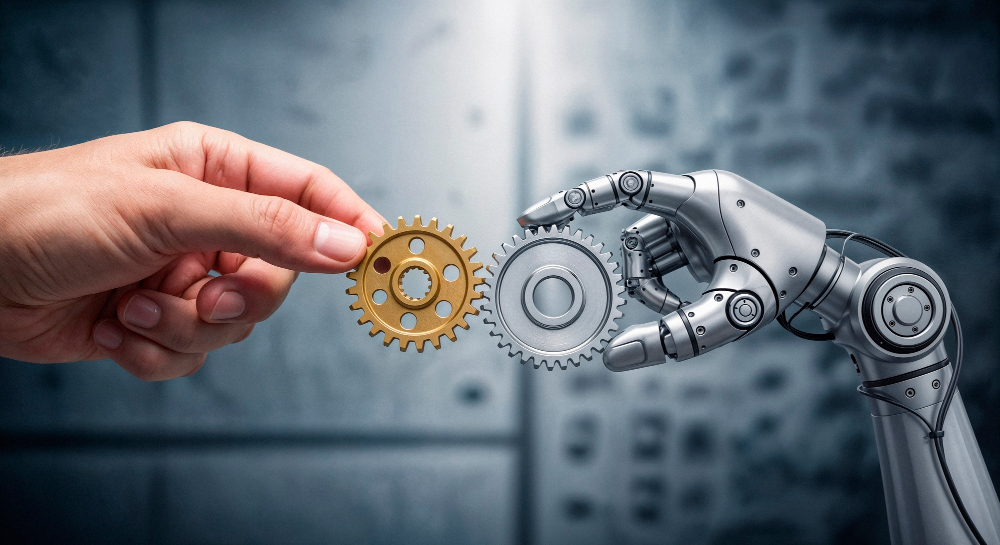
The world of product development is transforming fast, and the shift feels bigger than anything we have seen before. The rise of AI is changing how teams build, launch, scale, and even retire products. Today, the AI Product Lifecycle stands at the center of this change. It influences every stage, yet it still respects the classic principles that shaped product thinking for decades.
Yet this new lifecycle goes far beyond automation. It introduces deeper intelligence, quicker cycles, bolder choices, and more human-centered design. Traditional discipline connects naturally with modern creative thinking. This shift also creates a future where teams deliver with greater confidence and far less friction.
Let us explore how the AI Product Lifecycle works today and understand how decisions, designs, and delivery are evolving with this new era.
Understanding the Modern AI Product Lifecycle
The AI Product Lifecycle covers every phase of an AI-powered product, from idea to retirement. Yet it looks different from the old linear model. It works in loops, not long lines. It reacts to real-time data and adapts on the go. Moreover, it connects teams across design, engineering, research, growth, and ethics.
Although the core steps remain familiar, the approach has changed. The lifecycle includes:
- Discovery
- Data readiness
- Model development
- Design and UX
- Engineering
- Deployment
- Monitoring
- Continuous improvement
But AI changes how each step behaves. Data drives every decision. Prediction shapes every design. Automation accelerates every handoff. And intelligence improves every release.
Because of this, the AI Product Lifecycle demands a fresh mindset. It blends product craft, business strategy, data thinking, and ethical responsibility.
Why the AI Product Lifecycle Matters Today
AI is not an optional feature anymore. It is becoming the heart of many digital products. It supports smarter experiences and faster growth. Therefore, product teams must understand this lifecycle deeply.
Businesses now expect AI to improve outcomes. Users expect personalization and speed. Markets expect innovation and reliability. So the lifecycle must support end-to-end intelligence with clarity and governance.
When done right, it helps teams ship better products with fewer delays. Additionally, it reduces waste, enhances customer delight, and creates long-term value.
PM 3.0: Rethinking Decisions in the AI Product Lifecycle
In this new era, decisions no longer rely only on instincts or past data. They depend on living insights. That shift is the soul of PM 3.0, a modern approach to product management where AI becomes a core teammate.
Data-led discovery becomes the norm
Teams now use real-time insights to validate ideas early. They evaluate demand rapidly and reduce guesswork. As a result, they create stronger product foundations.
Faster experimentation shapes decision culture
AI enables simulations, scenario planning, and automated A/B testing. This approach encourages bold ideas while reducing risk. It also helps teams iterate with more speed.
Ethical decisions gain priority
AI products bring responsibility. Bias, privacy, and fairness now play central roles. Therefore, governance frameworks become essential parts of every decision cycle.
Through PM 3.0, the AI Product Lifecycle becomes structured, ethical, and insight-driven.
PM 3.0: Designing for Intelligence in Every Interaction
Design work changes dramatically with AI. Experiences evolve based on context. Interfaces adjust quickly. Products feel more alive and reactive.
Adaptive UX replaces static screens
Designers build dynamic interfaces responding to user behavior. AI recommends flows, content, or actions.
Human emotions get deeper attention
Although AI drives intelligence, designers preserve empathy. They craft journeys that feel human. They ensure trust and clarity remain intact.
Collaborative design becomes essential
AI tools generate wireframes, content, layouts, or prototypes. Designers use these suggestions while refining the emotional tone. This partnership accelerates the lifecycle while protecting quality.
So design becomes more fluid. It becomes more conversational. It stays human, even while leveraging machine power.
Engineering Transforms Through AI-Centric Development
Engineering teams now collaborate differently because AI changes architecture needs. Models demand constant updates. Data pipelines must stay clean. Risks must be controlled. And systems must support intelligence at scale.
Model-first development becomes common
Teams consider model behavior before code structure. They build flexible architecture supporting model tuning.
Continuous training replaces one-time builds
Models learn over time. Therefore, monitoring becomes essential. Drift detection, bias alerts, and performance checks remain active throughout the lifecycle.
Security and privacy reach new importance
AI handles sensitive data. So engineers design systems with stricter access, encryption, and compliance rules.
This engineering evolution strengthens the full AI Product Lifecycle and enables long-lasting product health.
Delivery Accelerates Through Automation and Intelligence
Delivery cycles look very different today. AI reduces friction across release steps. But it also increases complexity behind the scenes.
Automated testing becomes smarter
Instead of manual test cases, AI predicts failure points. It creates tests itself. It also identifies hidden risks much faster.
Dynamic deployment enhances reliability
Rollouts shift based on live data. AI triggers safe rollbacks when required. This reduces downtime and protects user experience.
Observability becomes intelligent
Monitoring dashboards evolve into predictive systems. They detect signals before problems grow.
Because of these changes, delivery becomes safer and smoother. It also allows faster scaling with fewer operational headaches.
How Teams Evolve With the AI Product Lifecycle
People remain at the center of this transformation. AI enhances their work but does not remove the need for creativity and leadership.
Product managers shift into strategic orchestrators
They guide data decisions, ethical considerations, and business outcomes. They also coordinate model behavior with product goals.
Designers become storytellers of intelligent systems
They bring clarity to complexity. They humanize machine suggestions. And they build trust in AI-powered actions.
Engineers grow into AI-aware builders
They learn model mechanics, pipelines, and data platforms. They support stronger experimentation and release cycles.
Leaders embrace continuous learning
They promote curiosity and responsible innovation. This mindset helps organizations move with confidence through AI disruption.
The AI Product Development Lifecycle strengthens teamwork. It encourages cross-functional alignment. It creates a more collaborative workplace where human talent and machine intelligence work together.
Challenges Within the AI Product Lifecycle
Although AI delivers huge value, it brings new challenges that teams must manage carefully.
Data quality becomes a constant struggle
Poor data weakens model performance. Therefore, teams must invest in cleaning and governance.
Ethical issues require proactive solutions
Bias, transparency, and fairness must stay under control. Strong review frameworks are essential.
Scaling models demands investment
Infrastructure, cloud costs, and talent requirements can rise quickly. So planning becomes vital.
User trust must be protected always
AI decisions should remain explainable. Interfaces should reflect empathy and guidance.
With careful planning, these challenges become manageable and even create opportunities for leadership.
The Future of the AI Product Lifecycle
This lifecycle will only grow more dynamic. We will see deeper personalization, faster releases, and more transparent decision systems. Although methods may evolve, the foundation of good product thinking will stay strong.
What we can expect:
- Products adapting in real time
- More autonomous processes across teams
- Ethical frameworks built into every layer
- AI copilots assisting product work
- Shorter release cycles with higher stability
As businesses adopt AI at scale, the AI Product Lifecycle will become the default model for innovation. It will guide how organizations imagine, build, and deliver value. And it will keep shaping the future of digital products for years ahead.
Conclusion
The AI Product Lifecycle transforms product creation from end to end. It empowers smarter decisions, more adaptive designs, and faster delivery cycles. With PM 3.0, teams embrace intelligence, ethics, and collaboration. Moreover, they build products that grow stronger over time.
This shift does not remove the human touch. Instead, it celebrates it. Because AI strengthens human creativity, expertise, and intuition. Together, they create a future where products feel smarter, more personal, and more meaningful.